Spring Foraging Checklist: 15 Wild Greens to Harvest Before They Bolt
Spring foraging is a race against the flower stalk. The best leaves appear and then vanish into bitterness or toughness. This checklist covers 15 wild greens to pick before they bolt, with notes on where to find them and how to cook them.
The key is timing. A plant that tastes mild on Monday can turn peppery or woody by Friday. Watch for the signs: a central stalk rising, buds swelling, leaves losing their shine. When you see those, harvest immediately or wait for next year.
Read the Signs Before You Pick
Bolting is the plant's shift from leaf growth to reproduction. Energy moves into the flower stalk, and leaves often become bitter, tough, or fibrous. For most greens, you want the young, tender leaves before that stalk appears.
- Harvest in the morning after dew dries, when leaves are crisp.
- Pick only the top few inches of young growth.
- Leave the root crown and at least half the plant so it can regrow.
- Avoid roadsides, sprayed lawns, and water sources near livestock or runoff.
- Use a basket or breathable bag; plastic makes greens sweat and rot.
If you are new to a plant, confirm its identity with two reliable sources before eating. Start with a small amount to see how your body responds.
Early Spring: The First Tender Greens
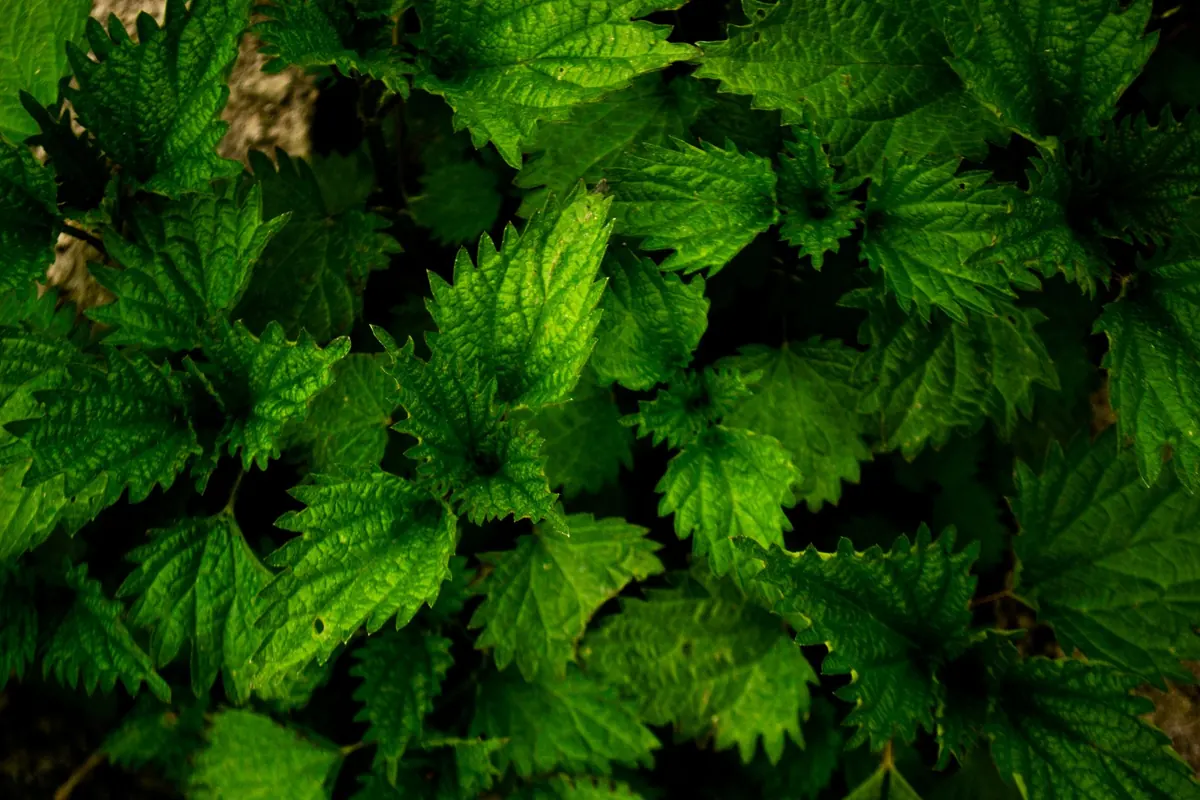
1. Stinging Nettle (Urtica dioica)
Harvest the top four to six inches when plants are knee-high, before flowers form. Wear gloves. Blanching removes the sting. Use in soup, pesto, or sautéed with garlic.
2. Dandelion (Taraxacum officinale)
Pick young leaves before the first flower bud. They are bitter, so mix with milder greens or cook with bacon fat. The unopened buds can be pickled like capers.
3. Chickweed (Stellaria media)
This cool-weather plant is mild and crisp. Harvest before it gets stringy in warm weather. Toss raw in salads or blend into pesto.
4. Wild Garlic / Ramps (Allium spp.)
Pick one leaf per bulb, never the whole patch. Leaves are best before flowers open. Chop into butter, pesto, or eggs. The flavor is garlicky and green.
5. Watercress (Nasturtium officinale)
Look in clean, flowing water. Harvest tips before flowering. Peppery and juicy. Use in salads or soup. If water quality is uncertain, cook it.
Mid-Spring: Fast Growth and Bold Flavors
6. Sorrel (Rumex acetosa)
Leaves have a bright, lemony tartness. Pick before the flower stalk rises. Add to soup, sauce, or a tart. A little goes a long way.
7. Plantain (Plantago major)
Young leaves are tender and mild. Harvest before they get tough and stringy. Slice into salads or fry as chips. Older leaves are better for tea or salves.
8. Lamb's Quarters (Chenopodium album)
Also called wild spinach. Pick leaves and tips before seed heads form. Cook like spinach: sauté, steam, or add to eggs.
9. Purslane (Portulaca oleracea)
A succulent with a slight sour crunch. Harvest before it flowers. Eat raw in salads, pickle the stems, or toss into soup at the end.
10. Garlic Mustard (Alliaria petiolata)
Invasive and abundant. Pull the whole plant before it flowers. Leaves taste like garlic and mustard. Pesto is the classic use, but it also works in stir-fries.
Late Spring: The Bolt Window
11. Wild Mustard (Sinapis arvensis)
Spicy leaves and flower buds. Pick before the yellow flowers open fully. Use young leaves raw or cooked. The buds can be steamed like broccoli rabe.
12. Shepherd's Purse (Capsella bursa-pastoris)
Mild pepperiness when young. Harvest the rosette before the flower stalk appears. Add to salads or soups. Once it bolts, the leaves get tough.
13. Wood Sorrel (Oxalis acetosella)
Sour, lemony leaves. Pick before the white or pink flowers open. Use as a garnish, in salads, or to flavor fish. Contains oxalic acid, so enjoy in moderation.
14. Mallow (Malva neglecta)
Mild, slightly mucilaginous leaves. Harvest young leaves before flowers. Good in soup, where they thicken the broth, or raw in salads.
15. Bittercress (Cardamine hirsuta)
Peppery and crisp. Pick the whole rosette before seed pods shoot. Great in sandwiches, salads, or as a last-minute addition to hot dishes.
Simple Kitchen Uses for Spring Greens
Spring greens are versatile, but they need a light touch. Nettles and garlic mustard make excellent pesto: blanch, squeeze dry, then blend with nuts, cheese, oil, and lemon. Sorrel and wood sorrel melt into soups and sauces, adding a tart edge. Dandelion and wild mustard benefit from fat—bacon, butter, olive oil—and a splash of acid to balance bitterness.
For a quick side, sauté any of these greens with garlic and a pinch of salt. Or chop them fine and fold into eggs, frittata, or dumplings. If you are new to a green, taste a small piece raw first, then cook a batch. Flavors change with cooking.
Blanching is your friend for strong or fuzzy greens. Boil for one minute, then shock in ice water. This sets color and tames bitterness. Squeeze out water and store in the fridge for a few days, or freeze in portions.
Forage with Care: A Practical Closing
Start small. Learn three or four plants well before adding more. Carry a field guide and cross-check with a local forager or extension service. Never eat a plant you cannot identify with certainty.
Respect the land. Get permission on private property and check local regulations for public lands. Some parks prohibit foraging. Take only what you need, and leave rare plants alone.
If you have health conditions, are pregnant or nursing, or take medication, talk to a qualified healthcare provider before adding wild foods to your diet. Some plants can interact with drugs or cause reactions. When in doubt, skip it.
Spring is short. Keep this checklist handy, watch the weather, and head out often. The best patch is the one you know well, and the best meal is the one you picked an hour before dinner.
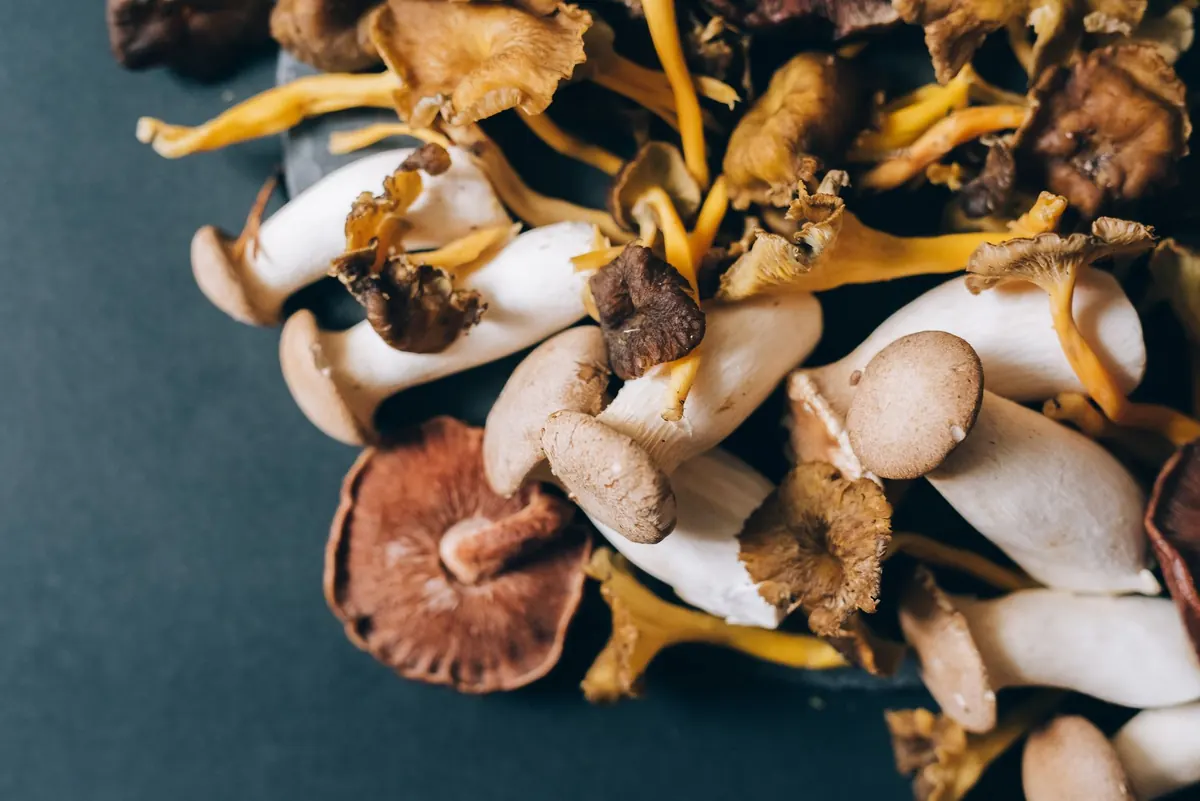
Drying Wild Mushrooms at Home: Dehydrator, Oven, and Air-Drying Methods
A practical guide to drying wild mushrooms in a dehydrator, oven, or open air, with prep steps, dryness...
Beginner's Guide to Identifying Wild Raspberries, Blackberries, and Dewberries
Learn to tell wild raspberries, blackberries, and dewberries apart by fruit core, cane habit, leaves,...
About Us